What To Do After Sanding Wood Before Painting

Quick Painting Tip Paint Over Stained Wood With Liquid Sandpaper Painting Over Stained Wood Paint Stained Wood Staining Wood

Sandpaper Cheat Sheet Delyla Design Blog Learn Woodworking Wood Diy Flipping Furniture

Diy Table To Ottoman And How To Paint Furniture Without Sanding Easy Peasy Pleasy Painting Wood Furniture Painted Furniture Redo Furniture

Brace Yourself You Re About To Meet The Trending Product Of The Week That Will Elevate Diy Furniture Restoration Restore Wood Furniture Furniture Restoration

Looking Into Painting Wood Trim White This Step By Step Tutorial On How To Paint Wood Trim Without Stained Wood Trim Painting Wood Trim Painting Wood Paneling

Chalkpaint1 How To 7 Easy Steps To Refinishing Old Furniture Without Sanding Using Eco Frie Diy Furniture Redo Painting Wood Furniture Antiquing Furniture Diy

Once you are done with that bring in tack cloth to give proper finishing to the cleaning procedure.
What to do after sanding wood before painting. It takes four steps to sand wood to perfection. Dry rags or brushes arent the most effective tools for removing dust. Once youre done sanding your woodwork there may be some residue left over.
Using 220-grit sandpaper sand gently by hand or attach the paper to the orbital sander and run it extremely lightly across the surface. Its worth noting that coarse sandpaper can also get rid of dirt and debris via friction and heat but water and detergent often do a better job of eliminating these substances. For example your garage workshop or even outside.
Away from the wood. Then use a vacuum or blower to get rid of dust from tricky spots. Preparing your bare wood surface correctly will allow your coating to penetrate and adhere properly.
Pressure washing removes loose paint and built-up grime and improves paint adhesion. Sanding the first paint coat brings down bumps and inconsistencies introduced by the roller or brush. Vacuum or Blow Off Dust Start by blowing off the bulk of the sawdust and sanding residue t using an air compressor fitted with a blower nozzle.
You will need a hand brush to clean the dust. Wipe the folded tack cloth across the wood to remove dust. 1 X Research source If the flaws in the wood arent sanded away the finish that is applied.
Wood dust from sanding will cause problems if its not removed from the surface before staining. Watch cabinetmaker Steve Maxwell explain the method he uses for prepping wood for a flawless finish. It is good to use a shop vac to clean the surface between sanding grits removing the larger grit particles from the wood before sanding with the next higher grit.

White Cedar Pallet Wood Before And After Planing Sanding Paint Storage Wood Pallets Portable Easel

Learn How To Prepare Your Furniture For Paint Process For A Long Lasting Finish Meg De Diy Furniture Restoration How To Clean Furniture Refinishing Furniture
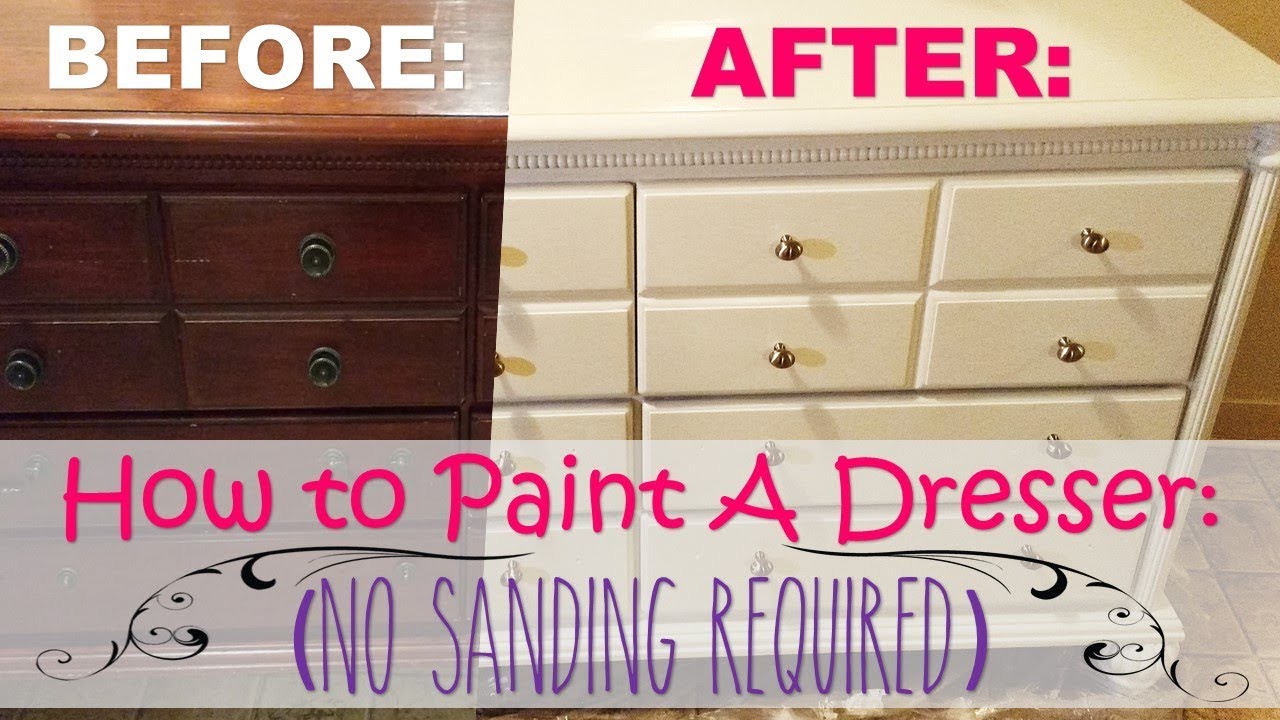
How To Repaint Furniture No Sanding Req Step By Step Instructions Youtube Repainting Furniture Painting Old Furniture Refinishing Furniture Diy

How To Sand Furniture Before Painting The Quick And Easy Way In 2021 Furniture Projects How To Sand Furniture Refinishing Furniture

Yes You Can Use Chalk Paint Over Stain Chalk Paint Furniture Diy Painting Furniture Diy Chalk Paint Furniture

How To Paint Kitchen Cabinets Without Sanding Or Priming Step By Step Home Diy Painting Kitchen Cabinets Painting Cabinets

Maple Wood Table Redo Sanded And Stained Tops Sherwin Williams Extra White Paint Maple Wood Table Table Sherwin Williams Extra White

So Streichen Sie Holzboden Ohne Schleifen Holzboden Ohne Schleifen Sie Streichen Painted Wood Floors Painted Wooden Floors Painted Hardwood Floors

Beginners Guide To Diy How To Sand Prep And Stain Wood Grace S Blog

Paint Wood Furniture Without Having To Sand Or Prime It First So Easy To Painting Furniture Diy Spray Paint Furniture Without Sanding Painting Wood Furniture

Before You Paint Your Wood Trim Read These Tips On How To Paint Wood Trim Without Sanding If You Want Painting Wood Trim Painting Trim Painting Wood Cabinets

Before After My China Cabinet Makeover Using Beyond Paint Stripping Furniture Sanding Furniture Staining Furniture
Stain Darker Without Sanding Stained Wood Trim Staining Wood Refinish Wood Furniture

